
Co-dependent. Such a complex word.
Have you ever looked back and realized how wrong you were while trying so hard to do the right thing?
My former husband was deeply in love with himself. His needs, desires, and wants came before everything else. I believed that if I made him happy—if I did everything he wanted—peace would follow. I thought agreeing with every opinion, fulfilling every wish, was the price of sanity. I gave in to keep the peace, hoping that surrender would soften him. Maybe then he would be tender. Maybe then he would love me. Surely, I thought, he would choose me over his endless need for others: his hobbies, his friends, his conquests.
But I was only deceiving myself.
I received no respect, and the mistreatment never stopped. Quietly, resentment grew, yet not enough for me to change my behavior. By tolerating the offenses, I was granting permission for them to continue. It felt as though I had signed away my rights, and my life. Slowly, I was disappearing. I felt unloved and undone, stripped of self-esteem and self-worth. I was lonelier with him than without him. Still, I wanted him. I craved his approval and acceptance. I lived in fear of him and equally in fear of losing him.
We often believe peace will come if we can control our environment. In truth, serenity is usually nowhere near that path. What we gain instead is a fragile, false peace, one that never lasts and always comes at a cost.
I’m not a psychologist or a psychiatrist, but I’ve come to understand that there is another side to this spectrum. Sometimes, a person loves so deeply that they give everything of themselves. Over time, that love can become smothering, stunting the other person’s ability to care for themselves. The loved one becomes dependent emotionally, psychologically, incapable of growing, make sound decisions, or mature. Trauma lingers, and emotional immaturity takes root.
I saw this pattern with my mother. From childhood, Mama was introverted and painfully shy. Grandma loved her fiercely and felt sorry for her, often overcompensating by doing everything for her. As a result, Mama grew accustomed to others taking care of her. When I was young, I stepped into that role myself. I tried to protect her in every way I could. Often, my help wasn’t needed or asked for. She, in turn, leaned on her significant others to meet that same need.
Co-dependency is a vicious cycle. Left unaddressed, it festers like a chronic wound. In relationships unwilling to heal, both people struggle with low self-worth. Boundaries are weak or nonexistent. Control and manipulation replace trust, and love becomes entangled with fear.
Have you ever realized how wrong you were in trying to do right?
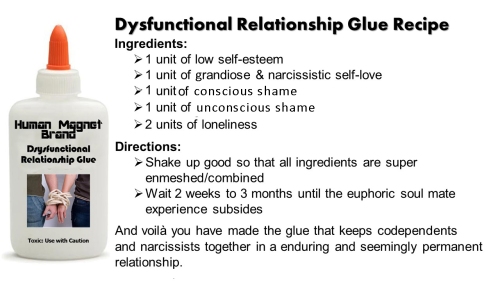
Here are some examples of what it means to be co-dependent:
• The need to be needed
• People pleasing
• Trying to control others (aggressively or passively)
• Focusing on helping others before working on your own issues
• Being consumed with other people’s problems
• Rescuing
• Self-doubt
• Unclear boundaries in friendships and relationships
• The tendency to date (or marry) alcoholics or addicts
• Perfectionism
• Workaholism (or always being busy)
• Exhaustion
Let’s break the cycle!
Your turn. What does co-dependency mean to you?




 From Heart to Heritage






 Reflections From the Heart